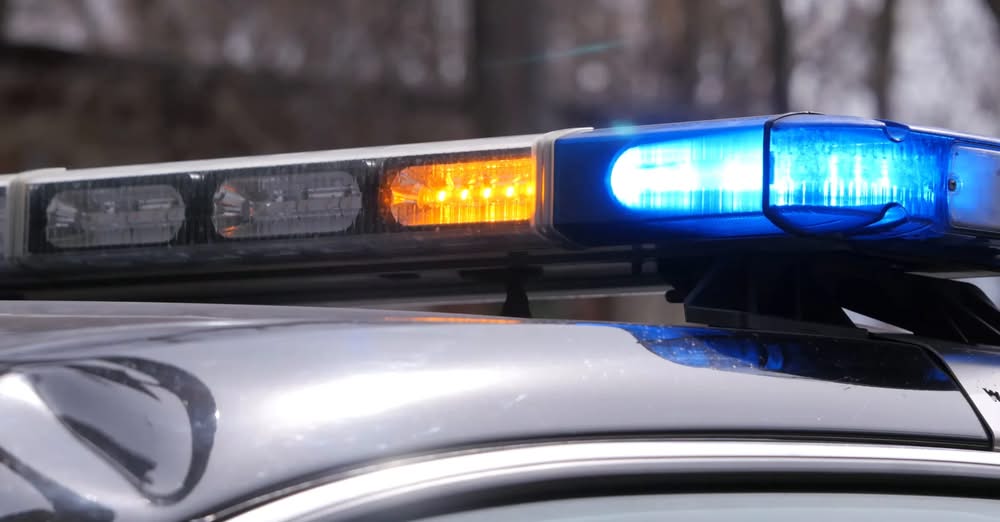
Fire in Glasgow Today: Large Emergency Response as Crews Battle Major Blaze Across the City
A major fire in Glasgow today prompted a large-scale emergency response, with fire crews, police officers, and medical personnel working together to contain the blaze and protect nearby residents and infrastructure. The incident, which sent thick smoke rising across parts of the city, quickly drew attention from the public as emergency sirens and visible firefighting operations spread across affected areas.
Emergency Response as Fire Breaks Out
According to early reports, the fire began during the day and rapidly escalated, prompting immediate dispatch of multiple fire appliances from the Scottish Fire and Rescue Service. Crews arrived on scene within minutes and began assessing the scale of the blaze, which was producing heavy smoke and spreading through an unspecified structure or open area depending on local conditions.
Firefighters immediately established a perimeter and began containment efforts to stop the fire from spreading further. Additional units were called in as the situation developed, reflecting the seriousness of the incident and the need for coordinated emergency management across multiple response teams.
Witnesses reported seeing smoke visible from several parts of Glasgow, with some describing a strong smell of burning carried across nearby neighborhoods. The visibility of the smoke led to concern among residents, particularly those living or working close to the affected zone.
Public Safety Measures and Local Disruption
As the fire intensified, authorities implemented precautionary measures to ensure public safety. Roads near the incident were temporarily restricted, and pedestrians were advised to avoid the area while emergency crews worked. Traffic congestion quickly developed as drivers were diverted away from affected routes.
In some areas, public transport services were also disrupted. Bus routes were delayed or rerouted, and nearby rail or subway access points may have experienced temporary restrictions depending on proximity to the fire zone. Commuters were encouraged to check for updates before traveling and to allow extra time for journeys.
Residents living near the fire were advised to remain indoors if smoke levels increased. Health officials often recommend that individuals with respiratory conditions, the elderly, and young children avoid exposure to heavy smoke due to potential irritation and breathing difficulties.
Firefighting Efforts and Tactical Response
Fire crews worked under challenging conditions to bring the blaze under control. Depending on the fire’s location—whether industrial, residential, or open land—firefighters would have deployed different strategies to suppress flames and prevent further spread.
Incident commanders coordinated the response, dividing teams into operational units tasked with containment, search and rescue (if required), water supply management, and structural protection. Fire engines positioned themselves strategically to maintain a continuous water supply, while aerial support may have been considered if visibility or building height required it.
One of the key priorities for emergency responders was preventing escalation. In urban fire incidents, nearby buildings, utilities, and transport infrastructure can be at risk, making rapid containment essential.
Possible Causes Under Investigation
At the time of reporting, the cause of the fire had not been confirmed. Fire investigators are expected to begin a full examination once the scene is safe. This process typically involves assessing the point of origin, analyzing burn patterns, and reviewing any available surveillance footage.
Investigators will also consider environmental factors such as electrical faults, accidental ignition sources, or external conditions. However, no official conclusions will be made until a thorough investigation has been completed.
Authorities have not suggested any foul play at this stage, and it is standard procedure for multiple possibilities to remain open until evidence is reviewed.
Impact on Residents and Community Reaction
The fire understandably caused concern among Glasgow residents, particularly those who witnessed smoke or experienced disruption in their local area. Social media posts from the city showed images of smoke clouds and emergency vehicles, reflecting the scale of the response.
Community members expressed appreciation for the rapid action of firefighters, many noting the speed at which crews arrived and began tackling the blaze. In large urban incidents, public cooperation plays a key role, especially when residents are asked to avoid certain areas or follow safety instructions.
Local businesses in affected zones may have experienced temporary closures or reduced foot traffic during the emergency. Authorities typically assess damage once conditions are stable and safe for inspection.
Emergency Services Coordination
The response to the Glasgow fire highlights the importance of coordinated emergency services. Fire crews worked closely with police to manage traffic and secure the perimeter, while ambulance teams remained on standby in case of injuries or smoke-related health issues.
Such coordination ensures that emergency operations can proceed efficiently while minimizing risk to the public. Communication between agencies also allows for faster decision-making when conditions change rapidly.
Health and Environmental Concerns
Smoke from large fires can pose temporary air quality concerns. Depending on wind direction, smoke may spread across surrounding neighborhoods, reducing visibility and causing irritation to eyes and respiratory systems.
Residents were advised to keep windows closed if affected and limit outdoor activity until conditions improved. Air quality monitoring may be conducted if smoke levels persist or spread widely across the city.
Transport and Infrastructure Disruption
Major fire incidents in urban areas often lead to temporary disruption of transport networks. In Glasgow, road closures and diversions were implemented to allow emergency vehicles access to the scene. This resulted in delays across surrounding routes, particularly during peak travel times.
Public transport systems may have also adjusted operations to ensure passenger safety. Authorities typically work to restore normal service as soon as it is safe, but disruptions can continue for several hours depending on the severity of the fire.
Ongoing Investigation and Updates
As firefighting efforts continue, authorities are expected to provide updates on containment progress, any structural damage, and the status of any individuals affected. Investigations into the cause of the fire will begin once the area is fully secured.
Officials have urged the public to rely on verified updates from emergency services rather than speculation. Accurate information is essential during fast-moving incidents to avoid confusion and ensure safety guidance is followed correctly.
Conclusion
The fire in Glasgow today represents a significant emergency response effort, with multiple agencies working together to manage a rapidly evolving situation. While the full impact of the blaze is still being assessed, the priority remains containing the fire, ensuring public safety, and supporting those affected.
As investigations continue, further details will emerge regarding the cause, extent of damage, and long-term implications of the incident. For now, Glasgow remains focused on recovery, safety, and supporting the emergency teams who responded swiftly to the unfolding event.